Rapid concepts
Fire off many directions in seconds and keep the ideas moving while they are still fresh.
 Gemini Link
Nano Banana 2 Lite — Gemini 3.1 Flash-Lite Image — is optimized for rapid, high-volume image generation and editing, producing 1K visuals in as little as four seconds.
Generated content will appear here
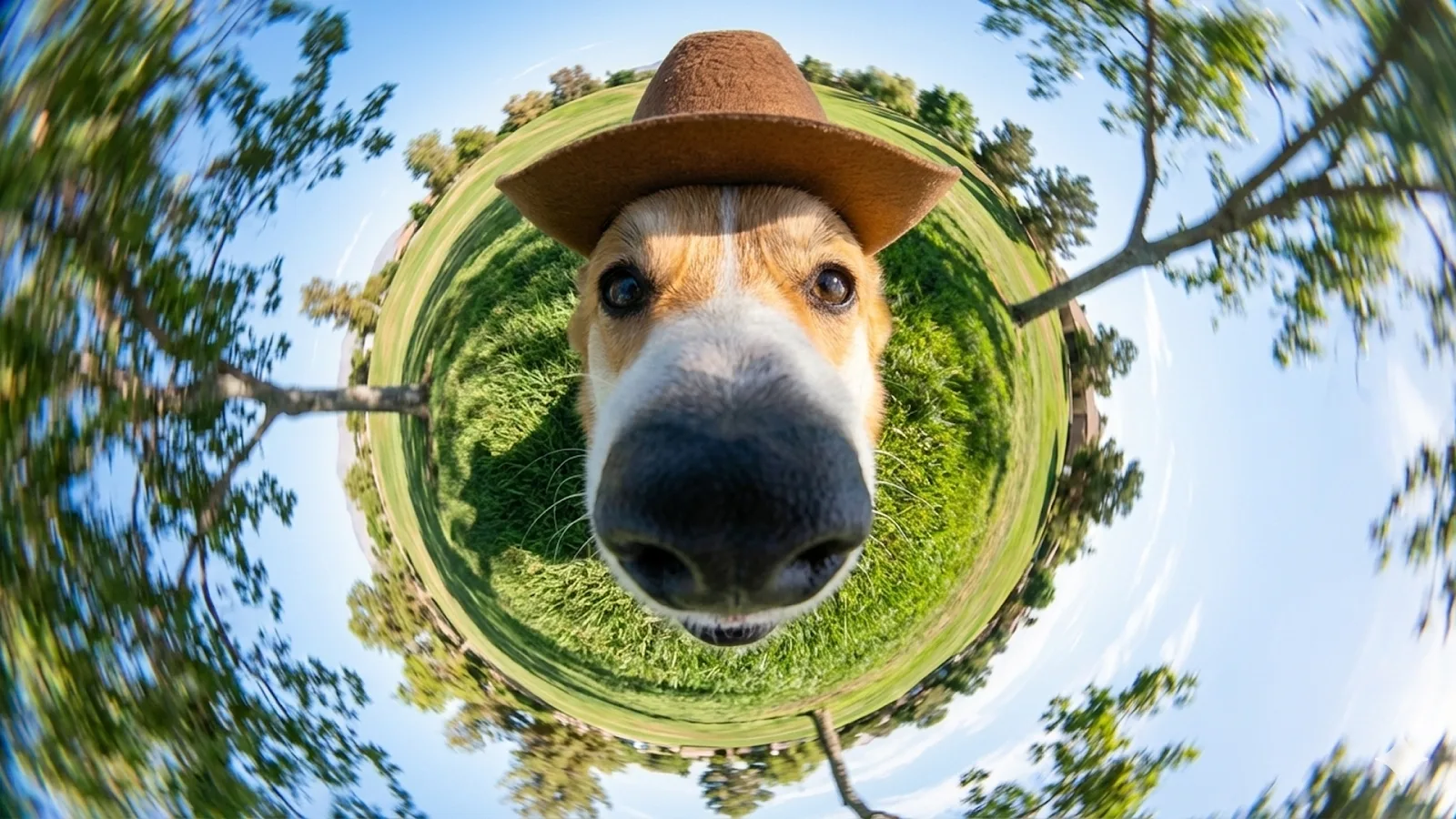
Camera-angle play from Google's Gemini image gallery: a 360-degree tiny-planet treatment of a dog portrait, the kind of quick directional draft Lite is built for.
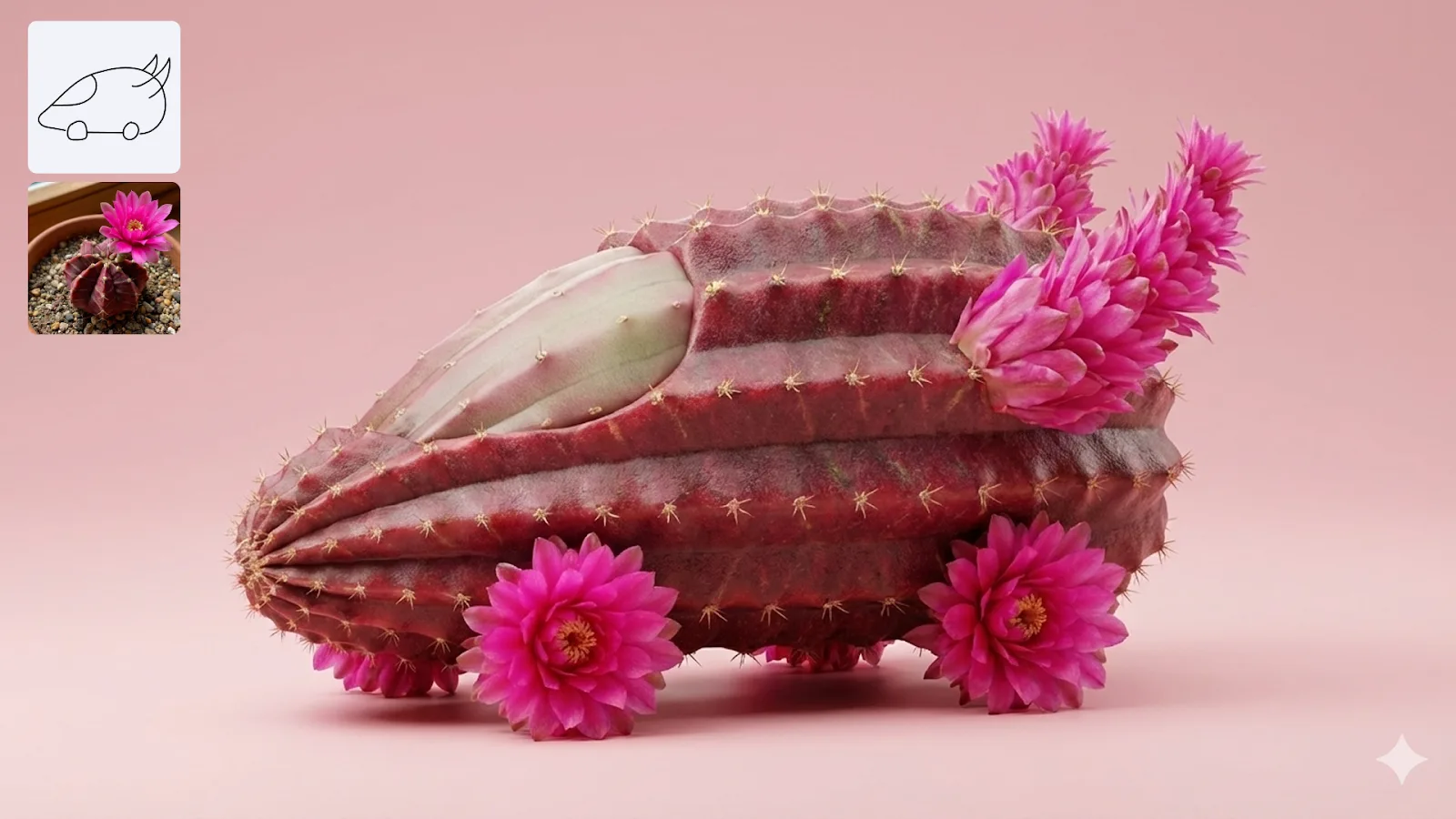
Reference-driven material transfer from Google's style gallery: the family's recurring car sketch re-imagined in cactus — a fast, cheap way to test a third material direction.
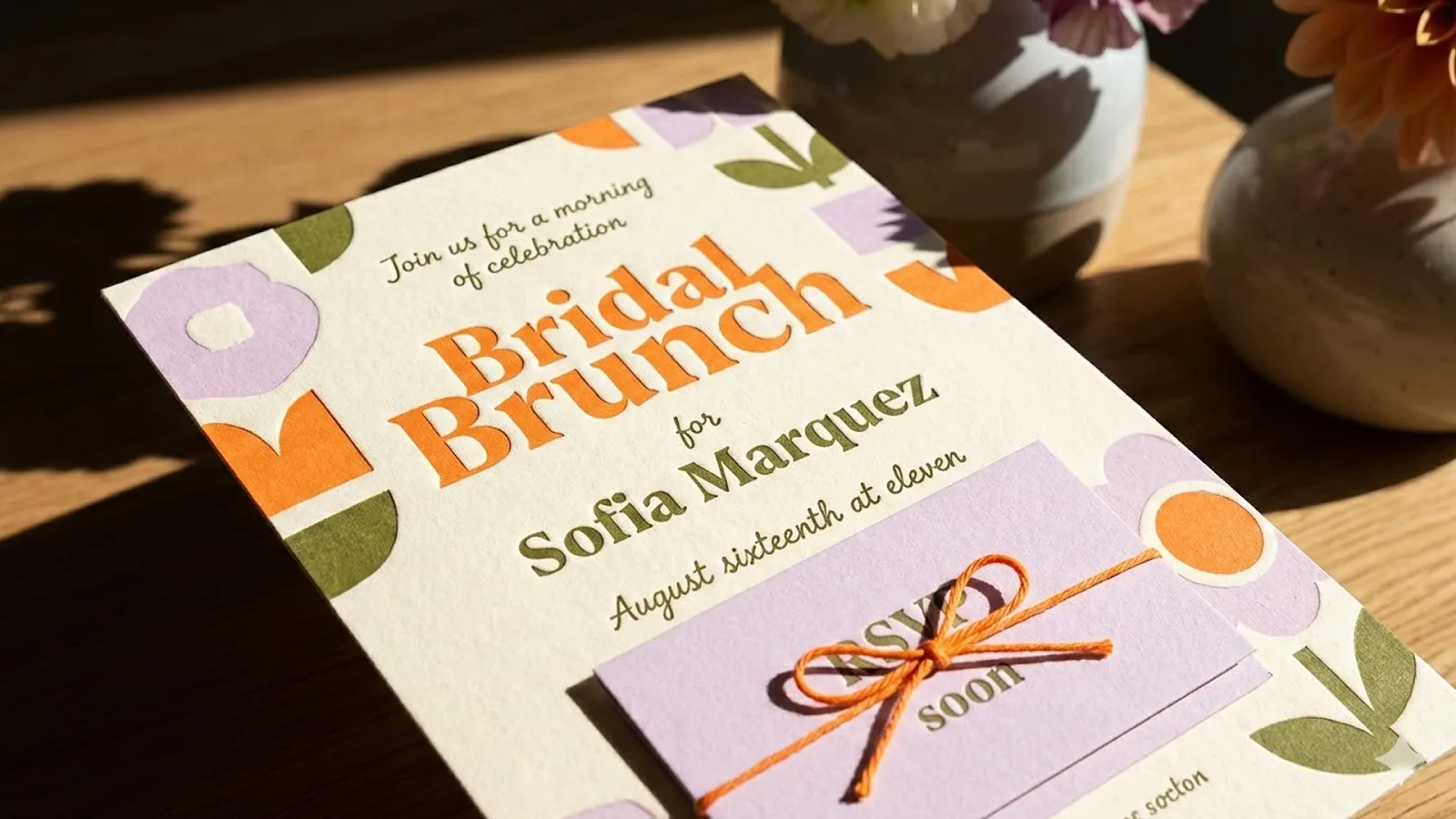
A letterpress-style invitation card for a bridal brunch, layered paper flowers in lavender and orange, legible serif typography, photographed on a wooden table in warm sunlight.
Text rendering from Google's gallery: a multi-line paper-craft invitation with legible typography throughout — the localization-draft use case Lite documentation highlights.
Nano Banana 2 Lite is the public name of Google's Gemini 3.1 Flash-Lite Image model (API ID gemini-3.1-flash-lite-image), the fastest and most cost-efficient member of the four-model Nano Banana family. It reached general availability on June 30, 2026 through the Gemini API and Google Cloud, and independent leaderboards place it near the top of text-to-image quality while it trails the heavier members on editing. New images land in as little as four seconds, and Google lists roughly $0.034 per 1K output image before input charges. The trade-off is deliberate: output tops out at 1K, and Google itself says Lite is not optimized for many-reference work or long sequential editing chains. In this workspace it is served from this site's own runtime catalog.
Lite earns its keep on volume and speed, not on maximum fidelity. Google's own positioning draws the line clearly, and picking the right lane is the main skill of using it well.
Fire off many directions in seconds and keep the ideas moving while they are still fresh.
Ad, social and commerce variants where throughput and unit cost beat maximum resolution.
Render legible copy into draft layouts to test typography across languages before human review.
Holds identities and object fidelity across swift generations for storyboards and try-on drafts.
Google states that generated images carry C2PA Content Credentials and its invisible SynthID watermark; both travel with the file.
1K output only; no search grounding and no tuning. Route final 4K brand assets to Nano Banana 2 or Pro.
Google's documentation splits the family four ways. Reading the split backwards is the useful move here: it tells you the exact conditions under which a Lite draft should be promoted to a heavier model.
| Model | What it is | Choose it when | Documented limits |
|---|---|---|---|
| Nano Banana 2 Lite (gemini-3.1-flash-lite-image) | Fastest and cheapest family member | Drafting, volume and A/B variants | 1K output; not optimized for multiple reference inputs or multi-turn sequential editing; no search grounding |
| Nano Banana 2 (gemini-3.1-flash-image) | General-purpose workhorse | Everyday generation and editing, 2K–4K, multiple references | 4K is still in preview |
| Nano Banana Pro (gemini-3-pro-image) | Premium tier | Highest world knowledge, advanced localization, brand consistency, precision control | Highest cost; 65,536-token input ceiling |
| Nano Banana (gemini-2.5-flash-image) | Legacy pioneer | Nothing new — Google recommends migrating | Superseded by Nano Banana 2 Lite |
Google's model documentation publishes the technical envelope. The workspace may expose a subset per session; the live catalog remains authoritative.
| Specification | Published value |
|---|---|
| Official model ID | gemini-3.1-flash-lite-image |
| Launch stage | Generally available since June 30, 2026 |
| Inputs | Text, images, video (input only), PDFs |
| Outputs | Text and images |
| Max input tokens | 65,536 |
| Max output tokens | 4,096 |
| Reference images per prompt | Up to 14, though Google states the model is not optimized for many-reference work |
| Output resolution | 1K |
| Aspect ratios | 1:1, 2:3, 3:2, 3:4, 4:3, 4:5, 5:4, 9:16, 16:9, 21:9, 1:4, 4:1, 1:8, 8:1 |
| Search grounding | Not supported |
| Knowledge cutoff | January 2025 |
| Content credentials | C2PA Content Credentials and SynthID watermark |
A draft-first workflow plays to the model's strengths: explore cheaply here, then promote the winning direction to a heavier model.
Two patterns fit the draft-and-iterate loop. Copy them into the workspace and adapt the bracketed parts.
Generate a draft of [subject] in [style]. Keep it simple: clear silhouette, readable composition, no fine textures. I will pick one direction and refine it later at higher resolution.
Keep everything in the current image exactly the same except: [single change]. Preserve the composition, colors and subject identity.
Google recommends migrating legacy Nano Banana (Gemini 2.5 Flash Image) workloads to Lite precisely for this loop: better quality, faster generation and lower API pricing. Treat 1K output as a feature of the workflow, not a defect of the model.
Nano Banana 2 Lite is an image model served from this site's own runtime catalog. It is separate from Google's Gemini 4 Argon text-generation family announced on October 13, 2026: Gemini 4 Argon is a separate chat model and is callable here when the live catalog returns it as available and priced. What you can call today is always what the live catalog returns.
Lite is the fastest and cheapest of the family: about four seconds per image at 1K output, roughly $0.034 per image on Google's API. Nano Banana 2 is the general-purpose model with stronger multi-reference work and output up to 4K. A common loop is drafting on Lite, finishing on Nano Banana 2 or Pro.
1K. When a project needs 2K or 4K, Google's own guidance is to move that task to Nano Banana 2 or Nano Banana Pro.
Yes. Image editing and multi-turn editing are supported: upload permitted reference material and describe the change — restyle, swap objects, adjust background or composition. Google notes it is not optimized for long sequential editing chains.
The documentation allows up to 14 per prompt within a 65,536-token input window, but Google states the model is not optimized for many-reference work — keep reference sets small for the most consistent results.
The server quote reflects the selected runtime settings, and the completed-task ledger records the final deduction. Google's own API rate of roughly $0.034 per 1K image describes the underlying model, not this site's pricing.
No. Nano Banana 2 Lite is Gemini 3.1 Flash-Lite Image, part of Google's Gemini 3.1 image line. Gemini 4 Argon is the newly announced text-generation family, first model Argon; it is callable here through the live catalog.
Yes. Google applies an invisible SynthID watermark to images generated by Nano Banana models. Treat it as part of the output when you reuse results.
Skip it for final brand assets that need 4K, complex multi-reference consistency or long edit chains — and for anything requiring search grounding, which the model does not support. Those jobs belong to Nano Banana 2, Nano Banana Pro or a text model.
January 2025, the same cutoff Google publishes for the other Nano Banana models. Anything newer in an image has to come from your own input, because Lite does not support search grounding.
Yes. Google states that generated images carry C2PA Content Credentials and a SynthID watermark. Both travel with the file, so treat them as part of the output when you reuse it.
That is Google's own recommendation: migrate from Nano Banana (Gemini 2.5 Flash Image) to Lite for better quality, faster generation and lower API pricing.