Subject fidelity
Faces, products and other subjects from reference photos stay recognisable across new scenes, styles and compositions.
 Gemini Link
GPT Image 2.5 is OpenAI’s image generation and editing model for sharper detail, precise localized edits and consistent multi-round changes across text-to-image and image-guided workflows.
Generated content will appear here
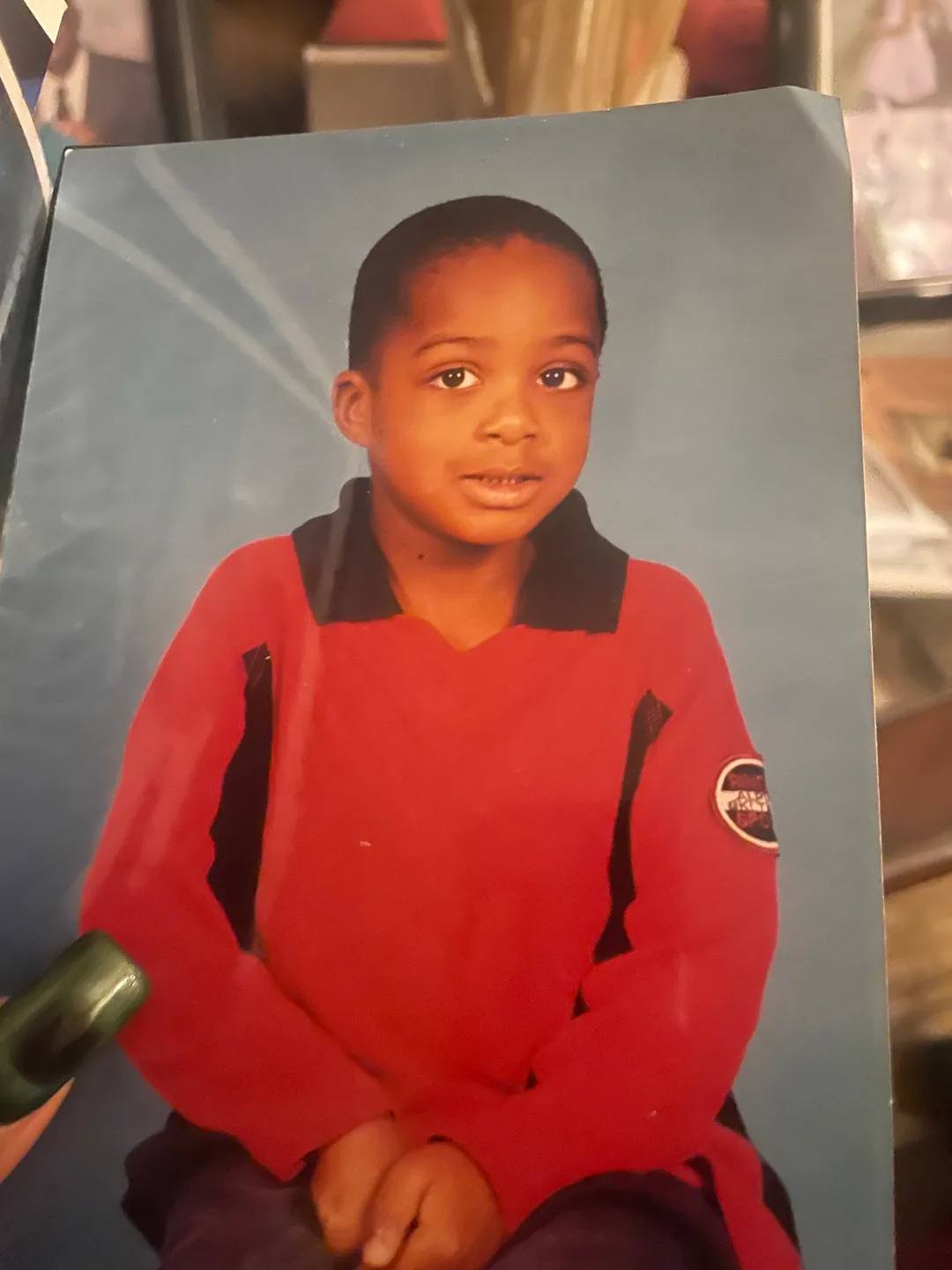

Targeted edit demonstration from OpenAI's launch gallery: a studio portrait of a child re-dressed into an ivory gown while pose, lighting and background stay consistent.
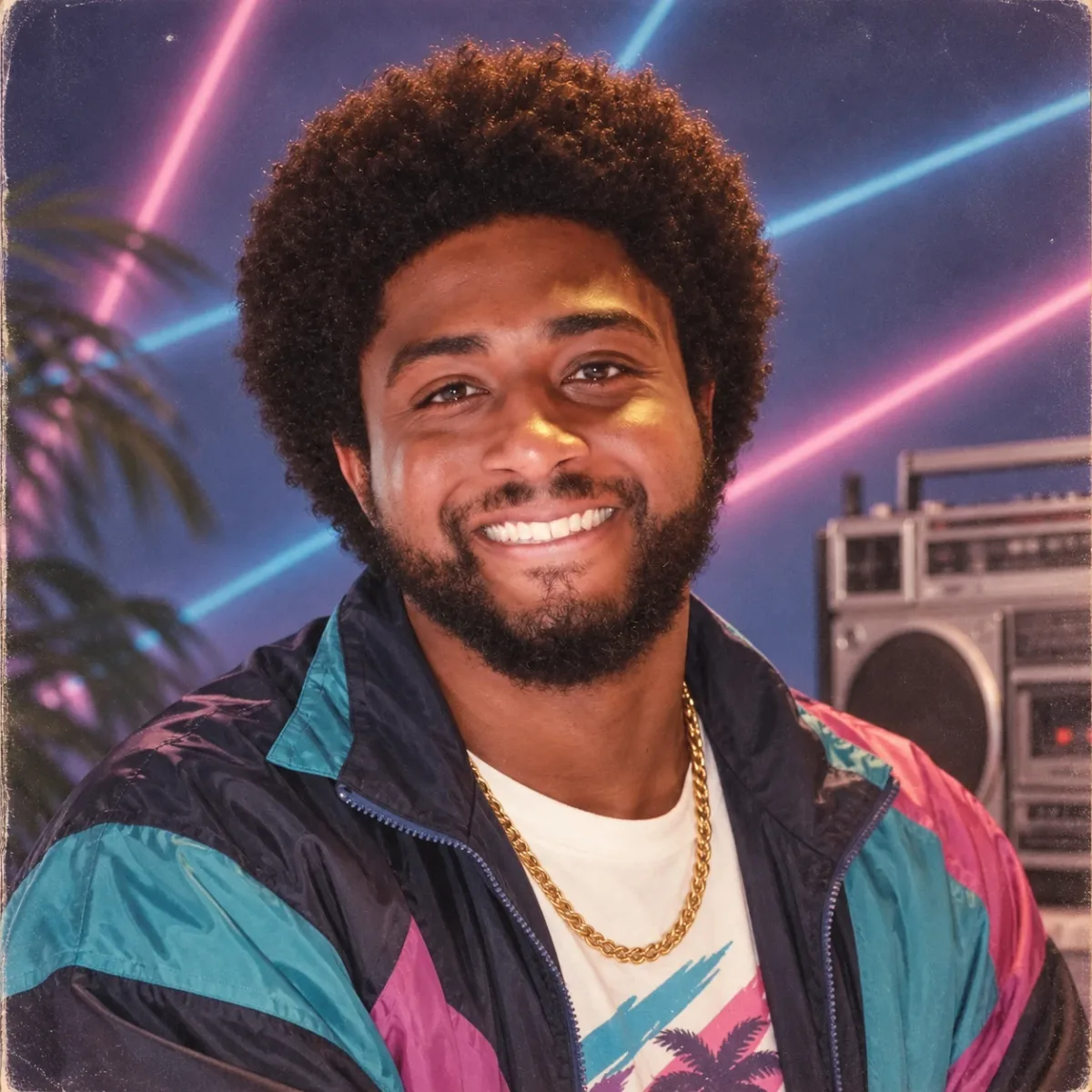
An '80s style headshot of me, rendered on soft sepia-toned film with the era's classic studio lighting.
The launch post's prompt-sharing example: an '80s-style headshot that readers are invited to regenerate with their own photo.
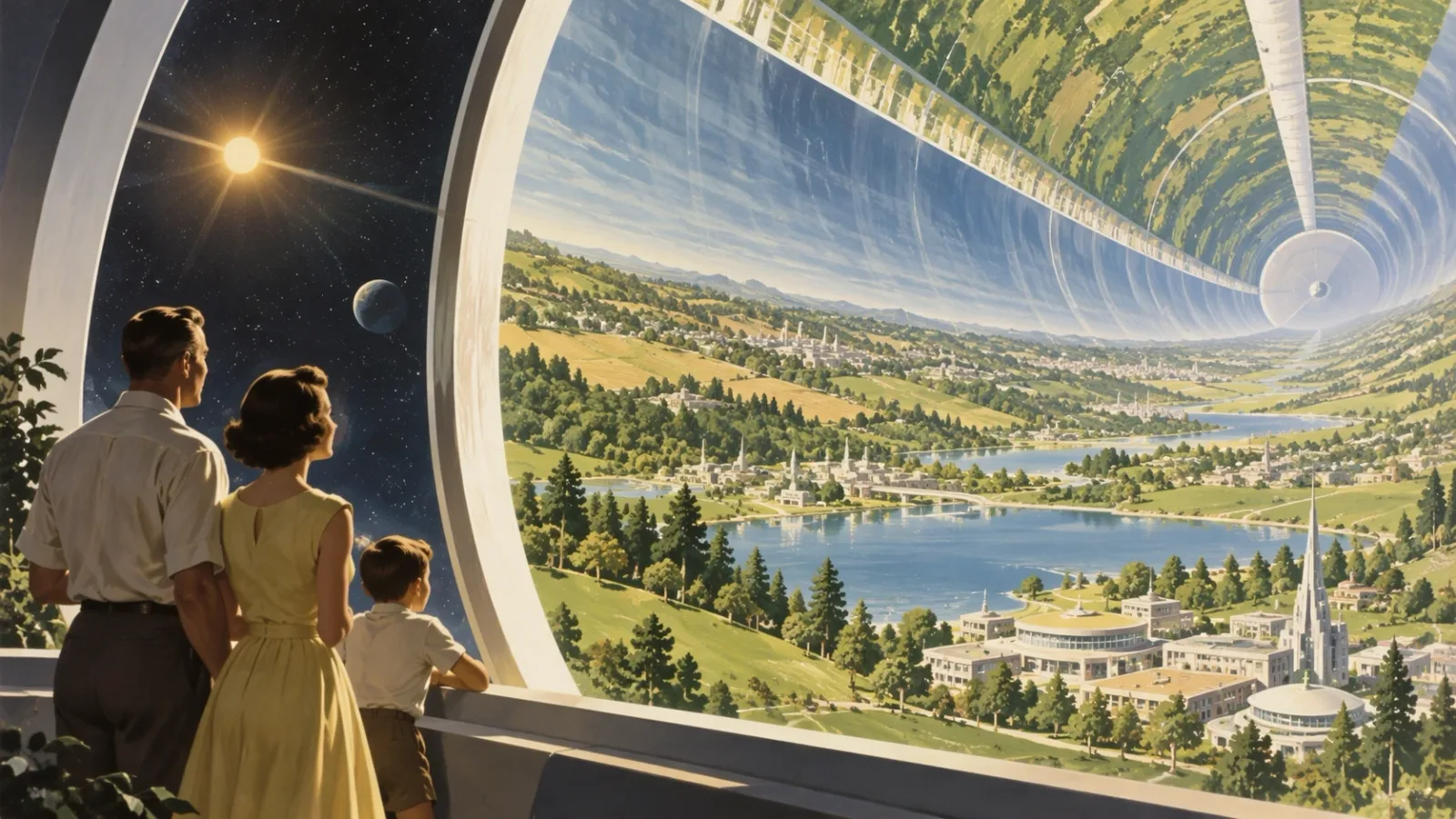
From the style-and-intelligence gallery: a retrofuturist space habitat illustration showing the model's handling of light, texture and visual style.
OpenAI shipped ChatGPT Images 2.5 on September 8, 2026, calling it its most advanced image model: clearer detail, more natural light and texture, better preservation of subjects from reference photos, and edits that follow instructions across multiple rounds without degrading the picture. Compared with Images 2.0 it cuts waiting time by up to 50 percent. The capability ships to ChatGPT users and, for developers, as two API models: GPT-Image-2.5 Flare, the fast default, and GPT-Image-2.5 Sunburst, which trades longer generation for finer control on precision edits. In this workspace the model is served from this site's own runtime catalog.
The model's documented strengths map directly onto the workflows this workspace exposes. Which modes and settings are callable at any moment is decided by the live catalog.
OpenAI's API prices are the model's list rates, not this site's charges. What you pay here is determined by the server quote before submission and the task ledger after completion.
Faces, products and other subjects from reference photos stay recognisable across new scenes, styles and compositions.
Changes only the element you point at — a product, a background, a line of copy — and leaves surrounding detail alone.
Earlier edits persist across later rounds, so quality does not decay through a long revision chain.
Handles transparency and structured layouts such as invitations, UI concepts and slide visuals.
Low, medium, high, xhigh, max and auto quality settings; custom sizes up to 3,840 px on the longest edge.
Outputs carry C2PA metadata and an invisible watermark per OpenAI's published safety documentation.
This workspace lists three modes for the model. Start from text when the picture exists only in your head; add an image when the composition or subject is already fixed.
Two patterns exploit the model's documented strengths. Copy them into the workspace and adapt the bracketed parts.
Replace only [element] in the attached image. Keep the original lighting, camera angle, composition and every other element unchanged. The new [element] should read as [description] and blend with the existing shadows and color temperature.
Take the person from the reference photo and place them in [scene], rendered in [style]. Preserve facial features, expression and proportions exactly; adjust only the clothing, setting and color treatment as described: [details].
One caveat OpenAI documents itself: neither 2.5 variant supports the Batch API, so bulk overnight generation on GPT Image 2 can be cheaper at list rates. For interactive editing here, the decision is about speed and control, and the quote decides the rest.
GPT Image 2.5 is an OpenAI image model served from this site's own runtime catalog. It is separate from Google's Gemini 4 Argon text-generation family announced on October 13, 2026: Gemini 4 Argon is a separate chat model and is callable here when the live catalog returns it as available and priced. What you can call today is always what the live catalog returns.
this site's live catalog currently returns text-to-image, image-to-image and reference-to-image. The workspace hides modes that are no longer callable or priced.
No. The server quote and completed-task ledger are authoritative. OpenAI's list rate of $30 per million output tokens describes the underlying API, not this site's charges.
Both are GPT-Image-2.5 API models at identical token rates. Flare is the fast default — OpenAI cites up to 50 percent lower latency than GPT Image 2 — while Sunburst spends longer generating in exchange for finer control on precision edits.
No. Gemini 4 Argon is Google's newly announced text-generation family, first model Argon. This page covers an OpenAI image model from this site's own catalog; the workspace only lists models the live catalog actually exposes.
The API adds xhigh and max quality levels above the old ceiling and accepts custom sizes up to 3,840 pixels on the longest edge, including transparent backgrounds. Which settings appear in this workspace is decided by the live catalog.
Multi-round consistency is one of the model's headline improvements: earlier edits persist and later instructions build on them instead of degrading the image. Review each round anyway — determinism is not guaranteed.
Yes. OpenAI applies C2PA metadata and an invisible watermark to outputs, and filters prompts and images for unsafe content. Treat these marks as part of the output when you reuse it.
That depends on OpenAI's terms and on your rights to the input material. This site processes your request and records the charge; it does not grant rights you do not already hold.